
Composite vs Timber vs PVC Cladding: Which Is Best for Perth Homes?
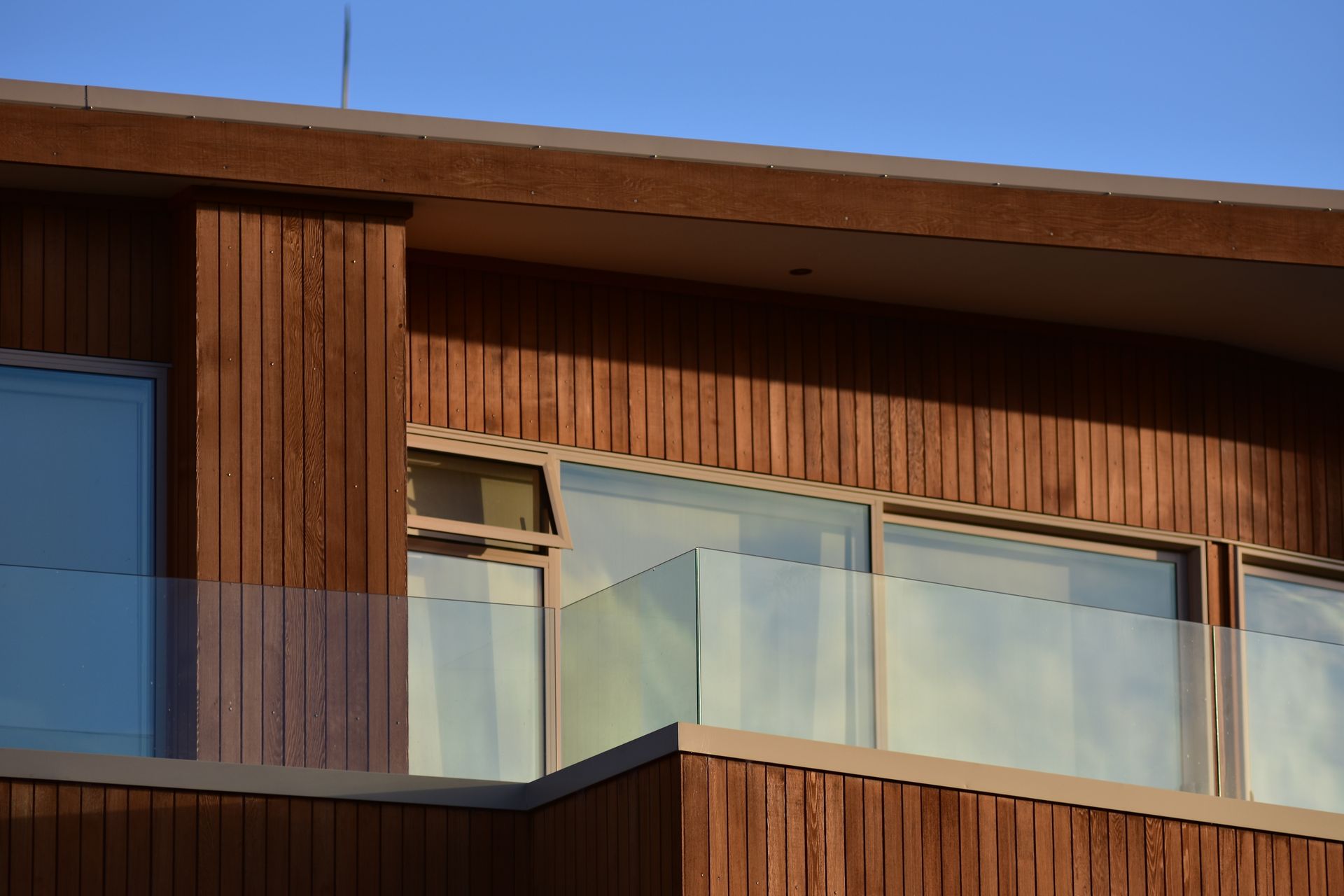
Choosing the right exterior cladding for a Perth home is one of the most important decisions you can make for your property's long-term performance and appearance. Intense UV radiation, coastal salt air, hot dry summers, and expanding bushfire zones all place heavy demands on exterior surfaces. This guide compares composite, timber, and PVC across the four factors that matter most to homeowners: UV resistance, coastal durability, maintenance load, and BAL suitability.
Why Perth's Climate Makes Cladding Selection So Important
Perth's conditions place exterior materials under serious pressure. Selecting the wrong material can mean fading, rotting, warping, or costly re-clads within a few years.
Coastal suburbs including Burns Beach, Hillarys, Mullaloo, and Trigg receive salt spray on every afternoon sea breeze. A significant portion of Greater Perth also falls under Bushfire Attack Level (BAL) designations, making fire resistance a genuine safety issue. Getting this right means understanding how each material responds to all of these conditions together.
How Do Composite, Timber, and PVC Compare?
Composite Exterior Cover
Composite is an engineered product made from recycled timber fibres and recycled plastics, bonded together and encased in a protective polymer shell. It resists moisture, UV degradation, staining, and termite damage, making it a strong all-round performer for Perth conditions.
Maintenance is minimal. Once installed, there is no oiling, staining, painting, or sanding required. A simple wash with soapy water keeps boards looking great year after year. Many composite products also carry BAL ratings suitable for WA bushfire zones straight out of the box.
Composite: pros and cons
- Excellent UV stability and colour retention.
- Highly resistant to coastal salt air and moisture.
- Low maintenance with no oiling, staining, or painting required.
- Many products carry BAL ratings suitable for WA bushfire zones.
- Less natural warmth in appearance compared to real timber.
Timber Cladding
Timber offers a natural warmth and texture that is hard to replicate, softening a facade and giving it genuine character. However, it demands consistent maintenance in Perth's climate, particularly in coastal locations where salt exposure, UV fading, and moisture accelerate wear.
UV performance is a specific concern. UV radiation breaks down the lignin in wood, leading to greying and brittleness over time. For BAL-rated sites, species selection matters enormously. Higher-density hardwoods like spotted gum, blackbutt, and ironbark are typically required for BAL-19 and BAL-29 areas, with compliance depending on species, density, profile design, and installation detailing.
Timber: pros and cons
- Unmatched natural aesthetic and warmth.
- Good acoustic properties.
- Requires regular oiling, staining, or coating to maintain appearance.
- Can grey, crack, or warp under prolonged Perth UV exposure.
- BAL compliance depends heavily on species and installation detail.
PVC Cladding
PVC is lightweight, fully synthetic, and waterproof, making it rot-proof and low maintenance. For commercial or wet-area applications it can be a practical, cost-effective option.
However, standard PVC may not hold colour as reliably as fully capped composite boards over Perth's long, intense summers. It is also generally not rated for high-BAL zones, so it may not be suitable for properties on Perth's outer fringe near bushfire-prone bushland.
PVC: pros and cons
- Waterproof and rot-proof.
- Low upfront maintenance and easy to clean.
- May fade or become brittle under prolonged high UV exposure.
- Generally not suitable for high-BAL designated properties.
- Lacks the natural aesthetic of timber or composite.
Key Installation Considerations for Perth
Material choice is only part of the decision. Mechanical fixings corrode in coastal environments, so stainless steel or hot-dipped galvanised fixings are the minimum standard near the coast. All materials expand and contract with temperature change, and Perth's swings from cool winter nights to summer days exceeding 40 degrees can cause significant movement if installation does not account for this.
If your property sits in a BAL zone, always confirm the product's tested fire rating under AS 3959 before specifying.
What Type of Cladding Is Best for Coastal Perth Suburbs?
For suburbs directly on the coast, composite typically offers the best combination of salt air resistance and low maintenance. Quality WPC composite boards help ensure a facade maintains its finish, colour, and structural stability when exposed to sea air and strong afternoon winds.
Does Composite Façade Covering Meet BAL Requirements in WA?
Many composite products can meet BAL requirements, but not all. Fire resistance levels vary between products, and for bushfire-prone areas it is essential to choose materials with a BAL-29 rating or higher. Always verify the specific product's tested rating before specifying for a BAL-designated property.
Talk to a Cladding Expert Serving Perth
Your suburb, proximity to the coast, BAL zone designation, and design goals all influence the right exterior cover choice for your property.
Ken Marshall Floor Coverings serves Perth and the surrounding region with professional wall cladding advice and installation. The team can help you select the right product for your specific conditions, from inner-city feature walls to outer-suburban facades in designated BAL zones. Get in touch to discuss your project or request a quote, or call 08 9350 5577 to speak with the team directly.